
Blood pressure is an important vital sign that helps healthcare professionals assess a person’s overall health. Blood pressure measures the force that blood exerts on the walls of arteries as it flows through them. It is measured using two numbers: the systolic pressure (the top number) and the diastolic pressure (the bottom number).
Blood pressure is measured using a device called a sphygmomanometer. There are two types of sphygmomanometers: a manual sphygmomanometer and an automatic or digital sphygmomanometer.
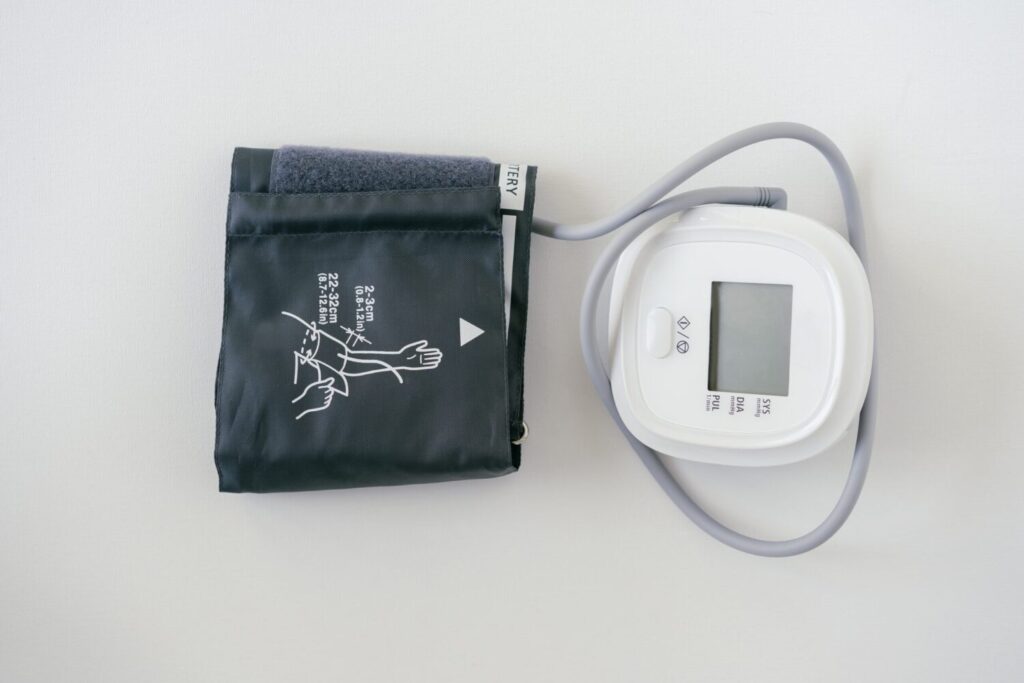
Here is some more information on this device.
A sphygmomanometer is a medical device used to measure blood pressure. It consists of an inflatable cuff, a pressure bulb, and a mercury or aneroid gauge. The cuff is placed around the upper arm and inflated to a pressure that briefly stops blood flow through the brachial artery. The pressure in the cuff is then slowly released, and a healthcare provider uses the gauge to measure the point at which blood flow resumes, which corresponds to the systolic blood pressure. The pressure is then further released until blood flow is no longer impeded, which corresponds to the diastolic blood pressure.
Sphygmomanometers are typically used in clinical settings such as hospitals, clinics, and doctor’s offices, but they can also be used at home by individuals with hypertension or other cardiovascular conditions. In recent years, there has been an increasing use of electronic or digital sphygmomanometers, which use sensors and a display to measure and display blood pressure readings. Digital sphygmomanometers are often more convenient to use and less prone to measurement errors than traditional mercury or aneroid sphygmomanometers.
There are several types of sphygmomanometers available, each with its own advantages and disadvantages. Mercury sphygmomanometers are considered the gold standard for accuracy and reliability, but they are also more expensive, fragile, and require regular maintenance. Aneroid sphygmomanometers are also widely used and are more portable and affordable than mercury sphygmomanometers, but they can be less accurate if not calibrated regularly. Digital sphygmomanometers are becoming increasingly popular due to their ease of use and accuracy, but they may not be suitable for certain populations, such as those with arrhythmias or peripheral artery disease.
Accurate measurement of blood pressure is crucial for the diagnosis and management of hypertension, which is a major risk factor for cardiovascular disease, stroke, and other health problems. Sphygmomanometers are an essential tool for healthcare providers in monitoring blood pressure and determining appropriate treatments. Home blood pressure monitoring with a sphygmomanometer can also be helpful for individuals with hypertension in tracking their blood pressure and adjusting their medications or lifestyle factors accordingly.
In summary, a sphygmomanometer is a medical device used to measure blood pressure, consisting of an inflatable cuff, a pressure bulb, and a gauge. Accurate measurement of blood pressure is essential for the diagnosis and management of hypertension, and sphygmomanometers are an essential tool for healthcare providers in monitoring blood pressure and determining appropriate treatments. There are several types of sphygmomanometers available, each with its own advantages and disadvantages, and the choice of device will depend on factors such as accuracy, cost, portability, and ease of use.
To measure blood pressure using a manual sphygmomanometer, a healthcare professional will first wrap a cuff around the upper arm and inflate it using a rubber bulb. The cuff is then slowly deflated while the healthcare professional listens to the pulse in the arm using a stethoscope. The systolic pressure is the pressure when the first sound is heard and the diastolic pressure is the pressure when the sound disappears.
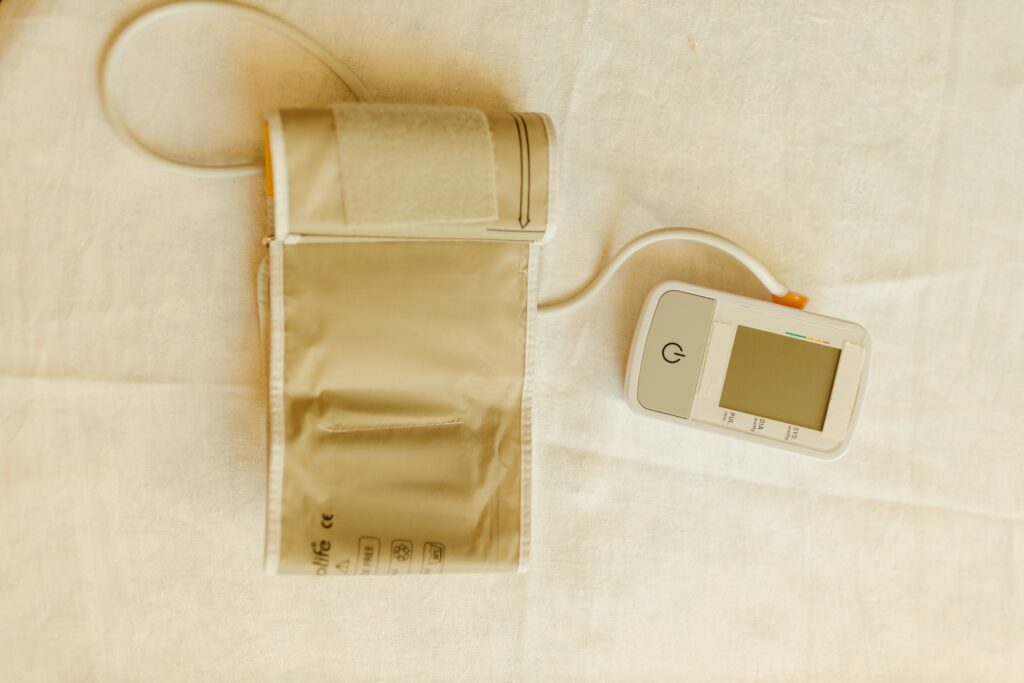
To measure blood pressure using an automatic or digital sphygmomanometer, the healthcare professional will again wrap a cuff around the upper arm, but instead of inflating it using a rubber bulb, the machine will automatically inflate and deflate the cuff. The digital display on the machine will show the systolic and diastolic pressures.
There are also home blood pressure monitors available for purchase, which can be used by individuals to monitor their blood pressure at home. These monitors work in a similar way to digital sphygmomanometers used by healthcare professionals.
To ensure accurate blood pressure measurements, it is important to follow certain guidelines. These include:
- Avoiding caffeine, alcohol, and smoking for at least 30 minutes before the measurement
- Emptying the bladder before the measurement
- Sitting quietly for at least five minutes before the measurement
- Sitting with the back supported and feet flat on the ground during the measurement
- Placing the cuff on bare skin, not over clothing
- Taking two or three readings, at least one minute apart, and averaging the results.
- It is also important to note that blood pressure can vary throughout the day and can be influenced by factors such as stress, exercise, and medication. For this reason, it is important to measure blood pressure at different times of the day and on different days to get an accurate picture of a person’s overall blood pressure.
In conclusion, blood pressure is measured using a sphygmomanometer, which can be either a manual or automatic device. A healthcare professional will wrap a cuff around the upper arm and measure the systolic and diastolic pressures using either a stethoscope or a digital display. To ensure accurate measurements, it is important to follow certain guidelines and take multiple readings at different times of the day.