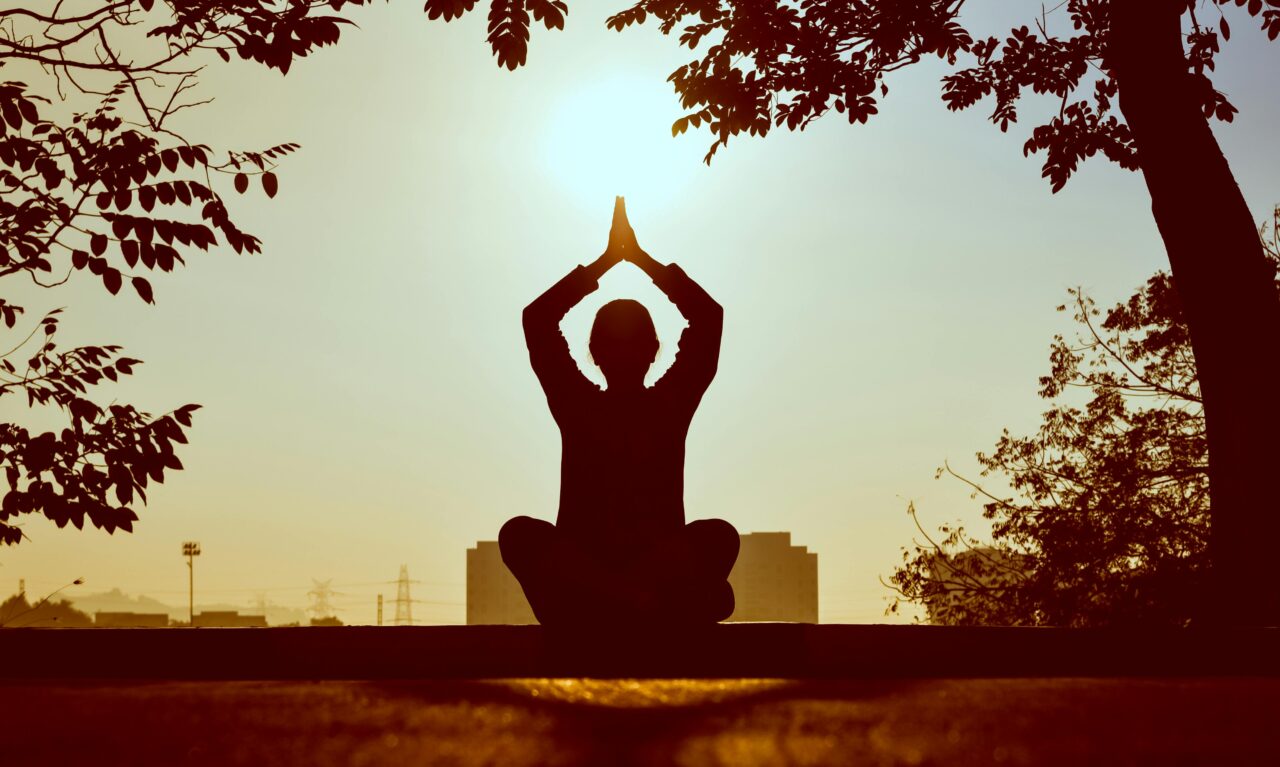
Hypertension, commonly referred to as high blood pressure, is a major public health concern affecting millions of individuals worldwide. It’s often called the “silent killer” because it typically presents no obvious symptoms while significantly increasing the risk of heart disease, stroke, and kidney failure. While medication and lifestyle changes such as diet and exercise are well-established ways to manage hypertension, growing research shows that meditation and mindfulness can be powerful complementary tools in lowering blood pressure naturally.
In this article, we’ll explore the connection between stress and hypertension, how meditation and mindfulness work, and how you can begin using these practices to support heart health.
Understanding the Link Between Stress and High Blood Pressure
Stress is a natural part of life, but chronic or unmanaged stress can negatively impact the body in several ways. One of the most significant effects is on blood pressure. When you experience stress, your body releases hormones such as adrenaline and cortisol. These hormones prepare your body for a “fight or flight” response by increasing your heart rate and narrowing your blood vessels, which raises blood pressure.
If this response becomes a regular occurrence due to ongoing stress, it can contribute to long-term hypertension. Additionally, people under chronic stress may be more likely to adopt unhealthy coping mechanisms such as poor diet, alcohol consumption, or smoking—factors that further raise blood pressure.
How Meditation and Mindfulness Help
Meditation and mindfulness are mind-body practices that promote relaxation, awareness, and a focused state of being. Numerous studies have found that these practices can reduce blood pressure by helping the body counteract the physiological effects of stress.
What is Meditation?
Meditation is a mental exercise that typically involves focusing the mind on a particular object, thought, or activity—like the breath—in order to train attention and awareness. It encourages a state of relaxation and emotional calm.
What is Mindfulness?
Mindfulness is a specific form of meditation that involves maintaining a moment-by-moment awareness of your thoughts, feelings, bodily sensations, and environment—without judgment. It’s about being fully present in the now.
Both practices activate the parasympathetic nervous system, which helps the body relax and recover from stress, leading to lower heart rate, reduced anxiety, and lower blood pressure.
Scientific Evidence Supporting Meditation for Hypertension
Several studies and reviews have shown promising results regarding the effect of meditation and mindfulness on blood pressure:
1. The American Heart Association (AHA) Endorsement
In a 2017 scientific statement, the AHA recognized meditation, particularly Transcendental Meditation (TM) and Mindfulness-Based Stress Reduction (MBSR), as beneficial for lowering blood pressure, especially when used alongside traditional treatments.
2. Mindfulness-Based Stress Reduction (MBSR)
Developed by Dr. Jon Kabat-Zinn, MBSR is an 8-week program that combines mindfulness meditation and yoga. Research has shown that MBSR participants often experience:
- Reduced systolic and diastolic blood pressure
- Lower stress levels
- Improved emotional well-being
3. Transcendental Meditation
TM involves silently repeating a mantra to promote a deeply relaxed state. A study published in Hypertension found that TM can significantly reduce systolic blood pressure by 4-5 mmHg and diastolic pressure by 2-3 mmHg in hypertensive individuals.
4. Other Forms of Meditation
Breath awareness, guided imagery, and body scan meditations have also been found to support reductions in blood pressure and stress hormones.
How Meditation Lowers Blood Pressure
Meditation and mindfulness help lower blood pressure through several mechanisms:
✅ Reduces Sympathetic Nervous System Activity
This system controls the “fight or flight” response. Meditation helps switch the body into “rest and digest” mode, which slows the heart rate and relaxes blood vessels.
✅ Improves Emotional Regulation
Chronic anger, anxiety, and frustration can elevate blood pressure. Mindfulness improves awareness and emotional control, helping you respond calmly to stressors.
✅ Enhances Sleep Quality
Poor sleep is associated with higher blood pressure. Regular meditation improves sleep patterns and reduces insomnia.
✅ Supports Healthy Behaviors
Mindfulness fosters better decision-making around diet, exercise, and lifestyle, all of which contribute to healthier blood pressure.
Getting Started: Simple Meditation Practices for Blood Pressure Control
Starting a meditation practice doesn’t require any special equipment or experience. Here are a few beginner-friendly techniques that can help:
1. Breath Awareness Meditation
- Sit comfortably and focus your attention on your breathing.
- Notice each inhale and exhale.
- When your mind wanders, gently bring it back to your breath.
- Practice for 5–10 minutes daily, gradually increasing the time.
2. Body Scan Meditation
- Lie down or sit in a quiet place.
- Mentally scan your body from head to toe, observing any tension.
- Breathe into areas of tightness and consciously relax them.
3. Loving-Kindness Meditation
- Focus on cultivating feelings of compassion toward yourself and others.
- Silently repeat phrases such as “May I be happy, may I be healthy, may I be peaceful.”
- Extend the same wishes to loved ones, then to all living beings.
4. Mindful Walking
- Take a slow walk, focusing on the sensation of each step and your surroundings.
- Avoid distractions and stay present in the moment.
Consistency is key. Just 10–20 minutes a day can lead to meaningful benefits over time.
Tips for Success
- Create a routine: Meditate at the same time each day to build the habit.
- Start small: Even a few minutes a day is better than none.
- Use apps: Tools like Headspace, Calm, and Insight Timer can guide your practice.
- Stay patient: It may take a few weeks to notice changes in stress or blood pressure.
When to Consult a Professional
While meditation is generally safe, individuals with severe hypertension or a history of mental health conditions should speak with a healthcare provider before beginning a new practice. Meditation is a complement to—not a replacement for—medical treatment or prescribed medication.
Meditation and mindfulness offer a natural, low-cost, and empowering way to help manage high blood pressure. By reducing stress, enhancing emotional well-being, and promoting healthy lifestyle habits, these practices can support a comprehensive approach to heart health. Whether you’re looking to prevent hypertension or support an existing treatment plan, incorporating regular mindfulness practice into your daily life can bring lasting benefits to both your mind and body.
Generated by ChatGPT