Tips on Maintaining Proper Blood Pressure

Category: Blood Pressure Management

Does High Blood Pressure Shorten Your Life?

High blood pressure, or hypertension, is a chronic medical condition in which the force of blood against the walls of the arteries is consistently elevated above normal levels. This condition affects a significant portion of the global population and can have serious health consequences if left untreated. One of the most common questions regarding hypertension is whether it can shorten your life. In this article, we will explore the evidence surrounding this question and discuss the impact of hypertension on life expectancy.

The Impact of High Blood Pressure on Life Expectancy

Hypertension is a major risk factor for many health problems, including heart disease, stroke, kidney disease, and vision loss. These conditions can significantly impact quality of life and increase the risk of premature death. According to the World Health Organization (WHO), cardiovascular diseases (CVDs) are the leading cause of death globally, accounting for 31% of all deaths in 2019.


What is High Blood Pressure Called?

High blood pressure, also known as hypertension, is a common medical condition in which the force of blood against the walls of the arteries is consistently elevated. Blood pressure is measured in millimeters of mercury (mmHg), and is expressed as two numbers – the systolic pressure (the higher number) and the diastolic pressure (the lower number).

A normal blood pressure reading is considered to be less than 120/80 mmHg. Blood pressure readings between 120/80 mmHg and 139/89 mmHg are considered to be prehypertension, while readings of 140/90 mmHg or higher are classified as hypertension.

What is Stroke Level Blood Pressure?

Blood pressure is an important indicator of cardiovascular health. When your blood pressure is too high, it puts a strain on your arteries, heart, and other organs, which can lead to serious health problems. Stroke level blood pressure is a term used to describe a blood pressure reading that is so high that it increases the risk of a stroke.

The American Heart Association defines stroke level blood pressure as a systolic pressure (the top number) of 180 mmHg or higher or a diastolic pressure (the bottom number) of 120 mmHg or higher. However, it is important to note that a single high blood pressure reading does not necessarily mean you have stroke level blood pressure.

How is Blood Pressure Measured?

Blood pressure is an important vital sign that helps healthcare professionals assess a person’s overall health. Blood pressure measures the force that blood exerts on the walls of arteries as it flows through them. It is measured using two numbers: the systolic pressure (the top number) and the diastolic pressure (the bottom number).

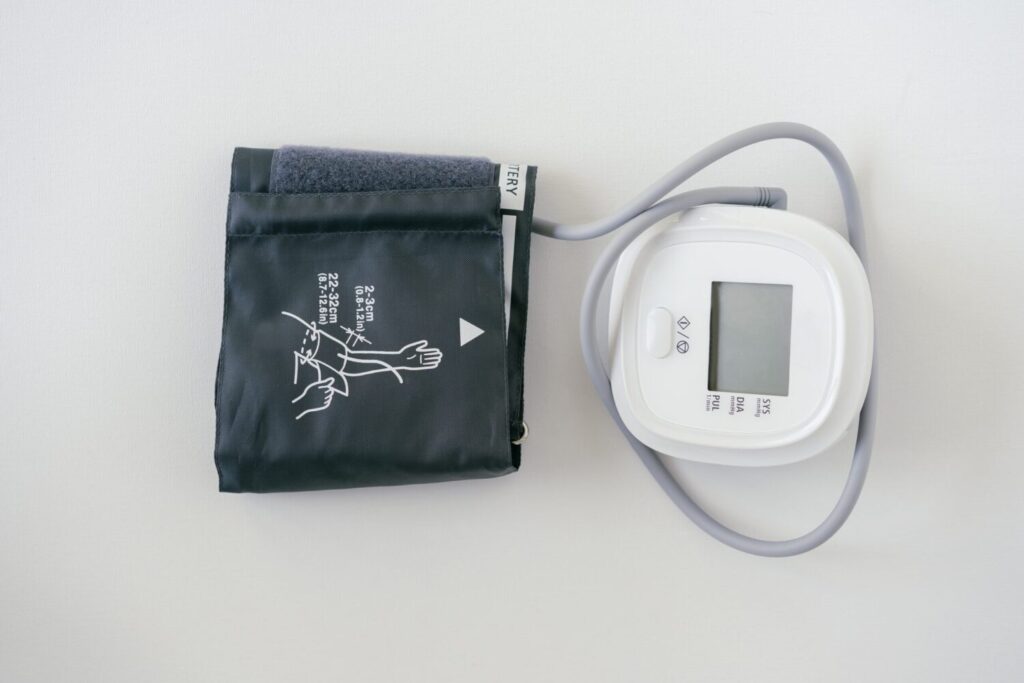
Blood pressure is measured using a device called a sphygmomanometer. There are two types of sphygmomanometers: a manual sphygmomanometer and an automatic or digital sphygmomanometer.

What is Ideal Blood Pressure By Age?

Blood pressure is a measure of the force of blood against the walls of your arteries as your heart pumps it around your body. Maintaining a healthy blood pressure is important for overall health, as high blood pressure can increase your risk of heart disease, stroke, and other health problems. The ideal blood pressure can vary based on age, but in general, the goal is to maintain a reading of less than 120/80 mmHg.

In general, blood pressure tends to increase as we age. This is because our arteries become stiffer and less elastic, which can cause the heart to work harder to pump blood. However, it’s important to note that there is no one-size-fits-all ideal blood pressure for all ages. Instead, it’s important to work with your healthcare provider to determine what a healthy blood pressure is for you based on your age, overall health, and other factors.

Page 2 of 2

Powered by WordPress & Theme by Anders Norén