

Blood pressure is a measure of the force with which blood flows through the arteries in the body. High blood pressure, or hypertension, can lead to serious health complications if left untreated. Accurate blood pressure readings are critical to identifying and managing hypertension. Here are seven simple tips to ensure accurate blood pressure readings:
Author: Lewis Hudson Page 4 of 5
Blood pressure, the force of blood pushing against the walls of arteries, is an essential physiological parameter that helps regulate the flow of blood to different organs and tissues in the body. High blood pressure, also known as hypertension, is a common health problem that can increase the risk of heart disease, stroke, and other complications. One aspect of blood pressure that has been the subject of research in recent years is whether it has a daily pattern. This article explores the evidence for and against the existence of a daily blood pressure pattern.

To understand the concept of a daily blood pressure pattern, it’s important to first discuss the basic mechanisms of blood pressure regulation. The body has an intricate system of feedback mechanisms that control blood pressure, including the sympathetic nervous system, the renin-angiotensin-aldosterone system, and the endothelin system. These systems work together to maintain blood pressure within a normal range.
High blood pressure, also known as hypertension, is a common health issue affecting millions of people worldwide. It is often referred to as the “silent killer” because it does not have any noticeable symptoms, yet it can lead to serious health problems if left untreated. Regular monitoring of blood pressure is essential to maintain good health and prevent complications. In this article, we will discuss the basic steps involved in checking your blood pressure.

Step 1: Prepare for the Test
Before you check your blood pressure, it is important to prepare yourself for the test. You should avoid smoking, drinking caffeine, and exercising for at least 30 minutes before taking the measurement, as these activities can temporarily raise your blood pressure. It is also recommended that you use the restroom before the test, as a full bladder can affect the accuracy of the reading.
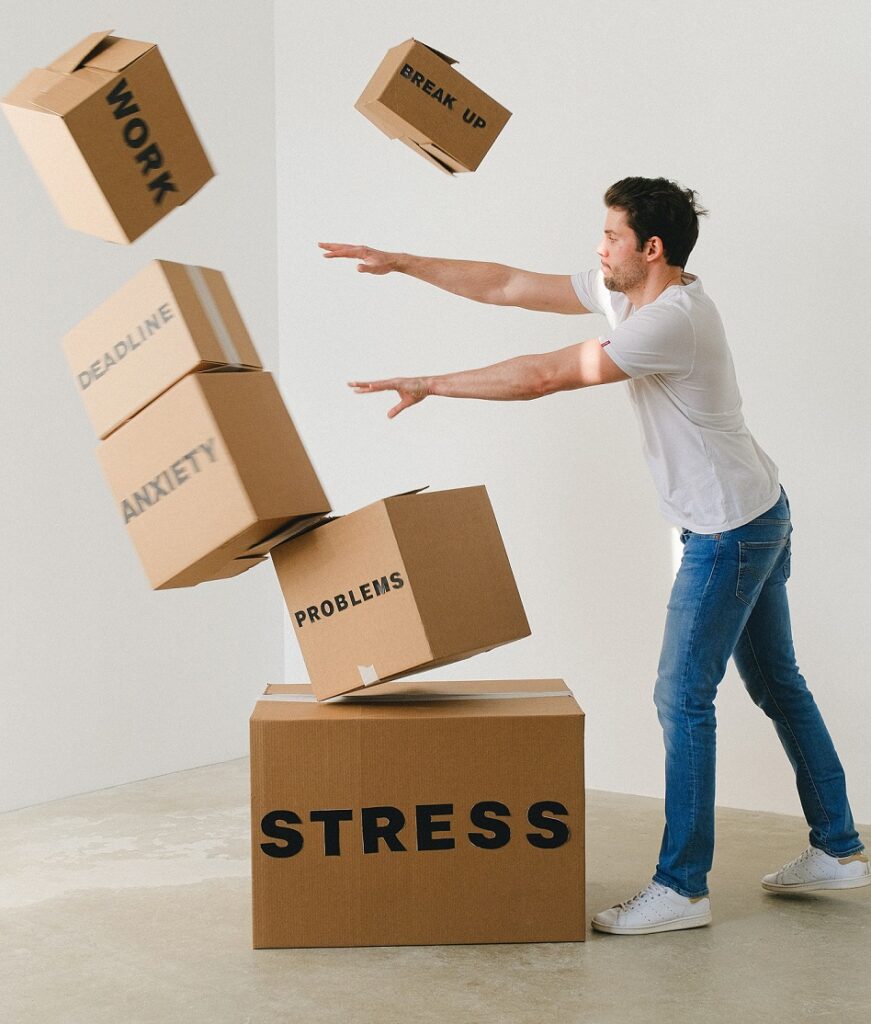
Stress is a normal part of life and is something that everyone experiences from time to time. However, when stress is constant or chronic, it can have a negative impact on our health, including our blood pressure. Studies have shown that stress can significantly raise blood pressure, and it is important to understand how much stress can affect your blood pressure and what you can do to manage it.
The body’s response to stress is to release stress hormones, such as adrenaline and cortisol, which cause the heart to beat faster and the blood vessels to narrow. This causes an increase in blood pressure, which is a normal response to short-term stress. However, when stress is chronic or prolonged, the body remains in a heightened state, causing blood pressure to remain elevated for an extended period.

High blood pressure, or hypertension, is a common medical condition that affects millions of people worldwide. It occurs when the force of blood against the walls of the arteries is consistently too high, which can lead to various health complications such as heart disease, stroke, and kidney failure. While lifestyle factors such as poor diet, lack of exercise, and stress are known to contribute to high blood pressure, research has also shown that genetics play a role in the development of this condition. In this essay, I will explore the genetic risk factors for high blood pressure and their implications for diagnosis, treatment, and prevention.
Low blood pressure, also known as hypotension, is a condition in which the force of blood against the walls of the arteries is consistently too low. In general, blood pressure is considered low when the systolic pressure (the top number) is less than 90 mmHg or the diastolic pressure (the bottom number) is less than 60 mmHg. However, what is considered low blood pressure can vary depending on the individual and their baseline blood pressure.

High blood pressure, also known as hypertension, is a common health condition that affects a significant portion of the global population. This condition occurs when the force of blood against the walls of the arteries is consistently too high, leading to potential damage to the arteries and organs over time. While hypertension can cause significant health problems, it is often asymptomatic in the early stages, leading many people to wonder how long they can have high blood pressure before it causes damage.
The Timeline of High Blood Pressure Damage
High blood pressure can cause damage to the arteries and organs over time, but the timeline for this damage can vary depending on a variety of factors. These factors include the severity and duration of hypertension, age, genetics, lifestyle behaviors, and the presence of other health conditions.
High blood pressure, or hypertension, is a chronic medical condition in which the force of blood against the walls of the arteries is consistently elevated above normal levels. This condition affects a significant portion of the global population and can have serious health consequences if left untreated. One of the most common questions regarding hypertension is whether it can shorten your life. In this article, we will explore the evidence surrounding this question and discuss the impact of hypertension on life expectancy.

The Impact of High Blood Pressure on Life Expectancy
Hypertension is a major risk factor for many health problems, including heart disease, stroke, kidney disease, and vision loss. These conditions can significantly impact quality of life and increase the risk of premature death. According to the World Health Organization (WHO), cardiovascular diseases (CVDs) are the leading cause of death globally, accounting for 31% of all deaths in 2019.
Stress can have a significant impact on blood pressure. When we experience stress, our body’s natural response is to release hormones such as adrenaline and cortisol. These hormones increase heart rate, constrict blood vessels, and elevate blood pressure in order to prepare the body for the “fight or flight” response.
In the short term, this response is useful as it helps us to respond quickly to a perceived threat or danger. However, when stress becomes chronic or prolonged, the constant activation of this response can cause damage to the body, including high blood pressure.
High blood pressure, also known as hypertension, is a common condition that affects millions of people worldwide. It can lead to serious health problems if left untreated, such as heart disease, stroke, and kidney failure. Fortunately, there are several ways to improve your blood pressure, including lifestyle changes and medications. In this article, we will discuss some effective strategies that can help you improve your blood pressure.
Maintain a healthy weight: Being overweight or obese can increase your blood pressure. Losing weight can help lower your blood pressure and reduce your risk of developing hypertension. Eating a healthy, balanced diet and exercising regularly can help you achieve a healthy weight.