
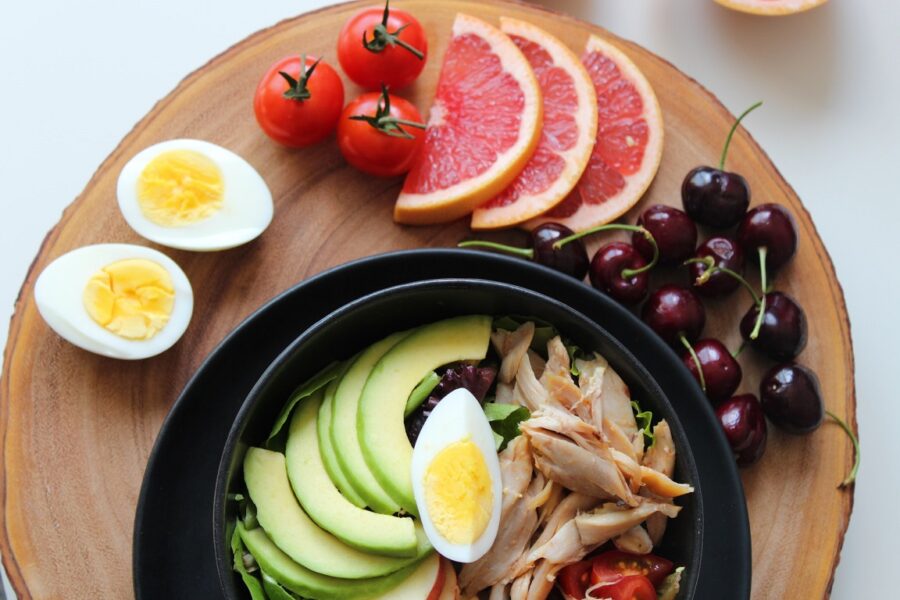
Hypertension, commonly known as high blood pressure, is a prevalent health condition that affects millions of people worldwide. If left unmanaged, it can lead to severe health complications, such as heart disease, stroke, and kidney problems. While medications can be effective in controlling blood pressure, a healthy diet plays a crucial role in preventing and managing hypertension naturally. In this article, we will explore the top 10 foods known for their ability to lower blood pressure naturally.
Author: Lewis Hudson Page 3 of 5

In today’s fast-paced and demanding world, stress has become an inevitable part of our lives. While occasional stress is a natural response to challenging situations, chronic and unmanaged stress can have detrimental effects on our health, including blood pressure. High blood pressure, or hypertension, is a common health condition that affects millions of people worldwide and is a significant risk factor for cardiovascular disease. However, by effectively managing stress, we can positively influence our blood pressure and overall cardiovascular health. Now, we will explore the role of stress management in maintaining healthy blood pressure and discuss effective strategies for reducing and coping with stress.

High blood pressure, or hypertension, is a common health condition that affects millions of people worldwide. It is a significant risk factor for cardiovascular disease, stroke, and other serious health complications. Fortunately, regular exercise has been proven to play a crucial role in managing blood pressure and promoting overall cardiovascular health. In this article, we will explore the benefits of regular exercise for blood pressure control and discuss the recommended types and duration of physical activity.
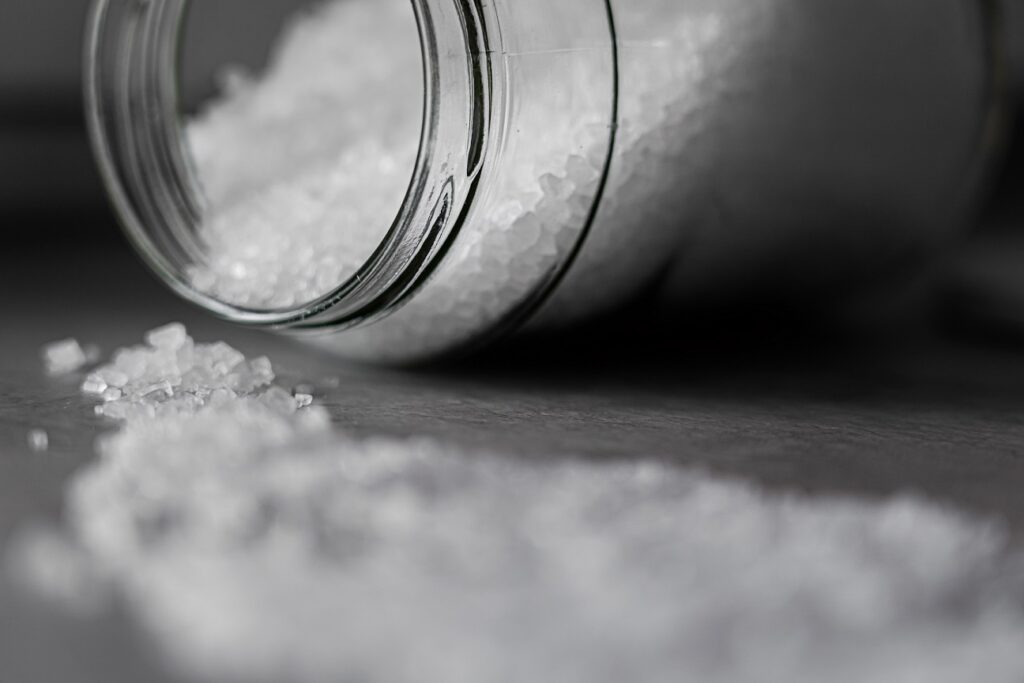
Salt, also known as sodium chloride, is a common ingredient found in many foods and plays a significant role in flavor enhancement and food preservation. However, excessive salt intake has been strongly associated with high blood pressure, or hypertension, which is a major risk factor for cardiovascular disease. In this article, we will explore the relationship between salt intake and blood pressure and discuss the importance of managing salt consumption for overall health.
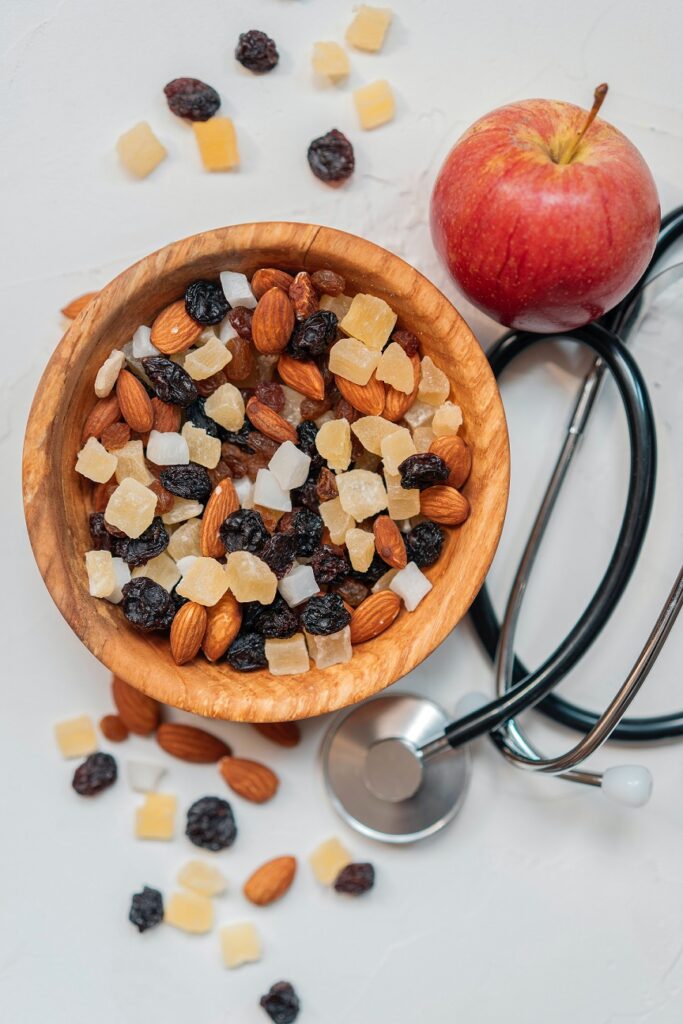
High blood pressure, or hypertension, is a prevalent health condition that affects millions of people worldwide. It is a significant risk factor for cardiovascular disease and other serious health complications. While there are various factors that contribute to hypertension, diet plays a crucial role in its development and management. In this article, we will explore the impact of diet on blood pressure and discuss dietary strategies to help maintain healthy blood pressure levels.
Sodium Intake: High sodium consumption is strongly associated with elevated blood pressure. Sodium, a component of salt, causes the body to retain water, leading to increased blood volume and higher blood pressure. Reducing sodium intake is a key dietary approach to managing blood pressure. The American Heart Association recommends limiting sodium intake to no more than 2,300 milligrams (mg) per day, or even lower to 1,500 mg for certain individuals, such as those with hypertension, diabetes, or kidney disease. To reduce sodium intake, avoid processed foods, fast food, and canned goods, as they often contain high levels of sodium. Instead, opt for fresh, whole foods and use herbs, spices, or salt substitutes to enhance flavor.

High blood pressure, also known as hypertension, is a common and serious health condition that affects millions of people worldwide. It is a significant risk factor for cardiovascular disease and other health complications. While medication may be necessary in some cases, lifestyle modifications play a crucial role in managing blood pressure effectively. In this article, we will explore various lifestyle changes that can help individuals maintain healthy blood pressure levels and promote overall cardiovascular health.
Healthy Eating Habits: Adopting a healthy diet is one of the most effective ways to manage blood pressure. The Dietary Approaches to Stop Hypertension (DASH) diet is highly recommended. It emphasizes consuming fruits, vegetables, whole grains, lean proteins (such as fish, poultry, and legumes), and low-fat dairy products. It also encourages reducing sodium intake by avoiding processed foods, canned soups, and adding salt during cooking or at the table. Additionally, limiting saturated fats, trans fats, and cholesterol intake is beneficial for overall heart health.

High blood pressure, also known as hypertension, is a prevalent and serious health condition that affects millions of people worldwide. It occurs when the force of blood against the walls of the arteries is consistently too high. While it may seem like a silent and asymptomatic condition, high blood pressure is closely linked to cardiovascular disease, a leading cause of morbidity and mortality globally. In this article, we will explore the strong connection between high blood pressure and cardiovascular disease, highlighting the risks, underlying mechanisms, and the importance of effective management.
Cardiovascular disease encompasses a range of conditions that affect the heart and blood vessels, including coronary artery disease, heart failure, stroke, and peripheral artery disease. High blood pressure plays a significant role in the development and progression of these conditions. Let’s delve into the key aspects of this link:

Blood pressure is a vital indicator of our overall health and well-being. It measures the force exerted by the blood against the walls of our arteries as it circulates through our body. Maintaining proper blood pressure levels is crucial for optimal cardiovascular function and the prevention of various health complications. In this article, we will delve into the significance of understanding and managing blood pressure, and explore the reasons why it is essential to maintain healthy levels.
The human heart is an amazing organ that works tirelessly to pump blood throughout the body. This is accomplished through a complex process involving two distinct phases, known as diastole and systole. Understanding these two phases is essential for anyone who wants to maintain good heart health.

What is Diastole?
Diastole is the phase of the cardiac cycle when the heart is at rest and filling with blood. During this phase, the ventricles (the lower chambers of the heart) relax and the blood flows into the heart from the atria (the upper chambers). The atrioventricular valves, which separate the atria and ventricles, open up and allow blood to flow through.

Blood pressure is the force of blood against the walls of arteries as it circulates through the body. It is measured using two numbers, the systolic pressure (top number) which represents the pressure in the arteries when the heart beats, and the diastolic pressure (bottom number) which represents the pressure in the arteries when the heart is at rest. Blood pressure is an important indicator of heart health, and high blood pressure (hypertension) is a major risk factor for heart disease, stroke, and other health problems. In this article, we will discuss the guidelines for blood pressure and what you need to know to maintain a healthy blood pressure level.