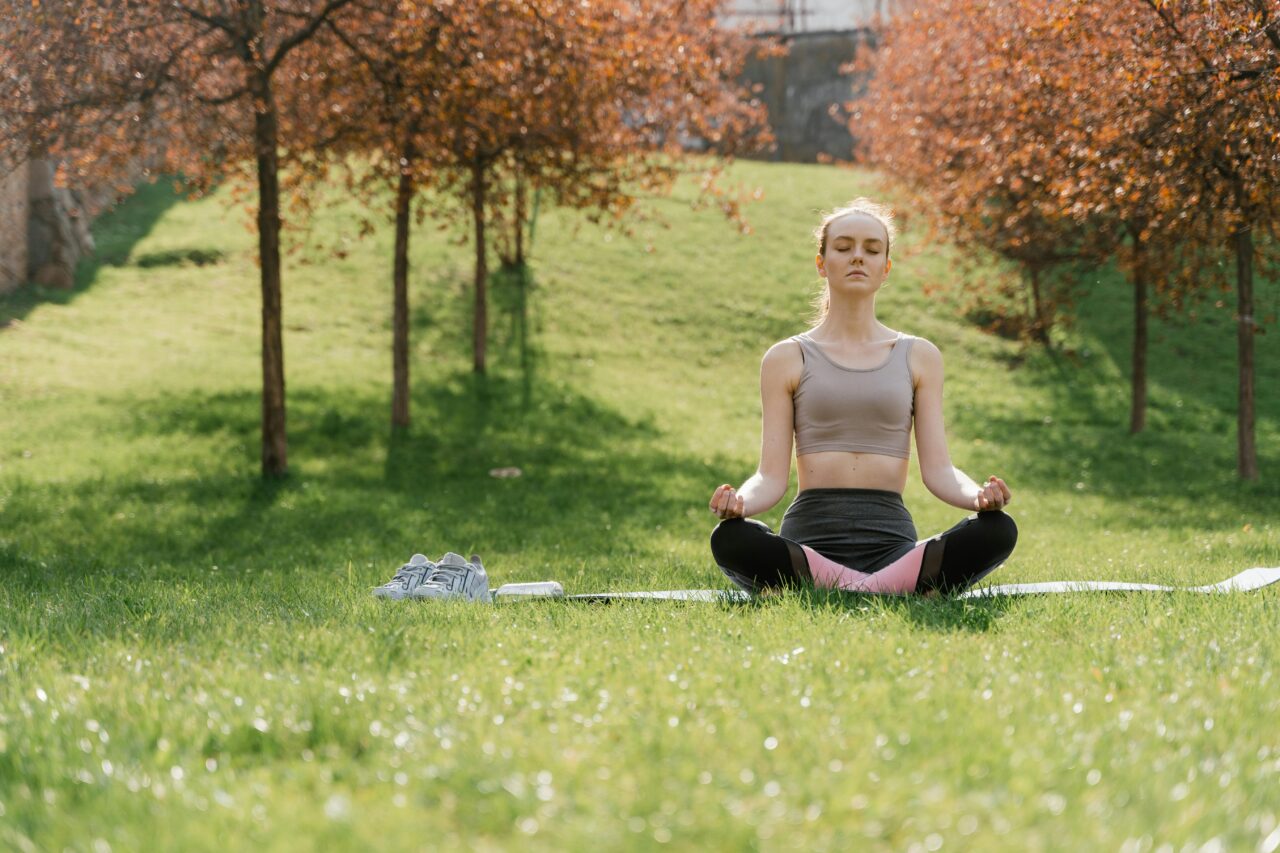
High blood pressure, or hypertension, is often called a “silent” condition because it can develop without obvious symptoms while quietly increasing the risk of heart disease, stroke, and other serious health problems. Medication, diet, and physical activity are well-known parts of blood pressure management, but one powerful and often overlooked tool is something we do every moment of our lives: breathing. Structured breathing exercises can play a meaningful role in supporting healthier blood pressure levels and overall cardiovascular wellness.
Understanding the Link Between Breathing and Blood Pressure
Breathing is closely tied to the autonomic nervous system, which controls many automatic body functions, including heart rate and blood vessel tone. This system has two main branches: the sympathetic nervous system (often called the “fight or flight” system) and the parasympathetic nervous system (the “rest and digest” system).
When we are stressed, anxious, or constantly rushing, the sympathetic system becomes more active. Heart rate rises, blood vessels constrict, and blood pressure can increase. Slow, controlled breathing helps activate the parasympathetic system. This shift encourages relaxation, slows the heart rate, and allows blood vessels to widen, all of which can contribute to lower blood pressure.
How Breathing Exercises Help Lower Blood Pressure
One of the main benefits of breathing exercises is their ability to reduce stress. Chronic stress is a known contributor to elevated blood pressure. By practicing deep, steady breathing, people can interrupt the stress response and calm the body. Even a few minutes of focused breathing can lead to measurable reductions in heart rate and a sense of physical and mental relaxation.
Breathing exercises also improve oxygen exchange. Slow, deep breathing encourages fuller use of the lungs, helping the body receive adequate oxygen and remove carbon dioxide efficiently. Better oxygenation supports overall organ function, including the heart, and may ease strain on the cardiovascular system.
Another benefit involves improved baroreflex sensitivity. The baroreflex is a mechanism that helps the body maintain stable blood pressure. Some research suggests that slow breathing techniques may enhance this reflex, allowing the body to regulate blood pressure more effectively in response to changes such as standing up or experiencing emotional stress.
Supporting Heart Health Beyond Numbers
While lowering blood pressure is a key goal, breathing exercises offer broader cardiovascular benefits. They can improve heart rate variability (HRV), which refers to the natural variation in time between heartbeats. Higher HRV is generally associated with better cardiovascular fitness and resilience to stress.
Breathing practices can also encourage healthier lifestyle habits. When people take time each day to focus on their breathing, they often become more mindful overall. This awareness can spill over into other choices, such as eating more thoughtfully, being more consistent with exercise, and recognizing early signs of stress or fatigue.
In addition, regular breathing exercises may improve sleep quality. Poor sleep is strongly linked with high blood pressure. Techniques that promote relaxation before bedtime can make it easier to fall asleep and stay asleep, indirectly supporting healthier blood pressure levels.
Types of Breathing Exercises for Blood Pressure Control
Several breathing methods are particularly helpful for relaxation and cardiovascular support. One common approach is diaphragmatic breathing, also known as belly breathing. This technique involves breathing deeply so that the abdomen rises and falls, rather than just the chest. It encourages fuller lung expansion and stronger activation of the parasympathetic nervous system.
Another effective method is paced breathing. In this technique, individuals breathe at a steady, slow rate—often around five to six breaths per minute. This can be done by inhaling for about five seconds and exhaling for five seconds. The slow rhythm helps synchronize breathing with heart rate patterns, promoting a calm physiological state.
Box breathing is another option. It involves inhaling for a count of four, holding the breath for four, exhaling for four, and pausing again for four before the next inhale. This structured pattern can be especially helpful for people who feel anxious or have racing thoughts.
Alternate nostril breathing, commonly used in yoga practices, is also associated with relaxation and improved autonomic balance. By focusing attention and creating a steady breathing rhythm, this method can help reduce mental tension and support cardiovascular calm.
Making Breathing Exercises a Daily Habit
One of the advantages of breathing exercises is that they require no special equipment and can be done almost anywhere. Sitting in a chair, lying in bed, or even taking a quiet moment at work can be enough. Consistency is more important than duration. Practicing for five to ten minutes once or twice a day can be beneficial.
It can help to tie breathing practice to existing routines, such as after waking up, during a lunch break, or before going to sleep. Setting reminders or using a guided breathing app may also make it easier to build the habit.
Posture plays a role as well. Sitting upright with relaxed shoulders allows the lungs to expand fully. Placing one hand on the chest and the other on the abdomen can help ensure that the breath is moving deeply into the belly rather than staying shallow in the upper chest.
A Complement, Not a Replacement
While breathing exercises are valuable, they are not a substitute for medical care. People with high blood pressure should continue to follow their healthcare provider’s recommendations regarding medication, diet, physical activity, and regular monitoring. Breathing techniques work best as part of a comprehensive plan.
That said, the low risk and accessibility of breathing exercises make them an appealing addition. They empower individuals to take an active role in their health and offer a tool that can be used in moments of stress, frustration, or anxiety—times when blood pressure might otherwise spike.
The Bigger Picture of Mind-Body Health
Breathing sits at the intersection of the mind and body. By consciously changing the way we breathe, we can influence both our emotional state and our physical health. This connection highlights the importance of holistic approaches to blood pressure control.
Incorporating breathing exercises into daily life can foster a greater sense of calm, improve resilience to stress, and support heart health in a gentle, natural way. Over time, these small, steady practices can contribute to meaningful improvements in well-being and help keep blood pressure on a healthier track.
Generated by ChatGPT