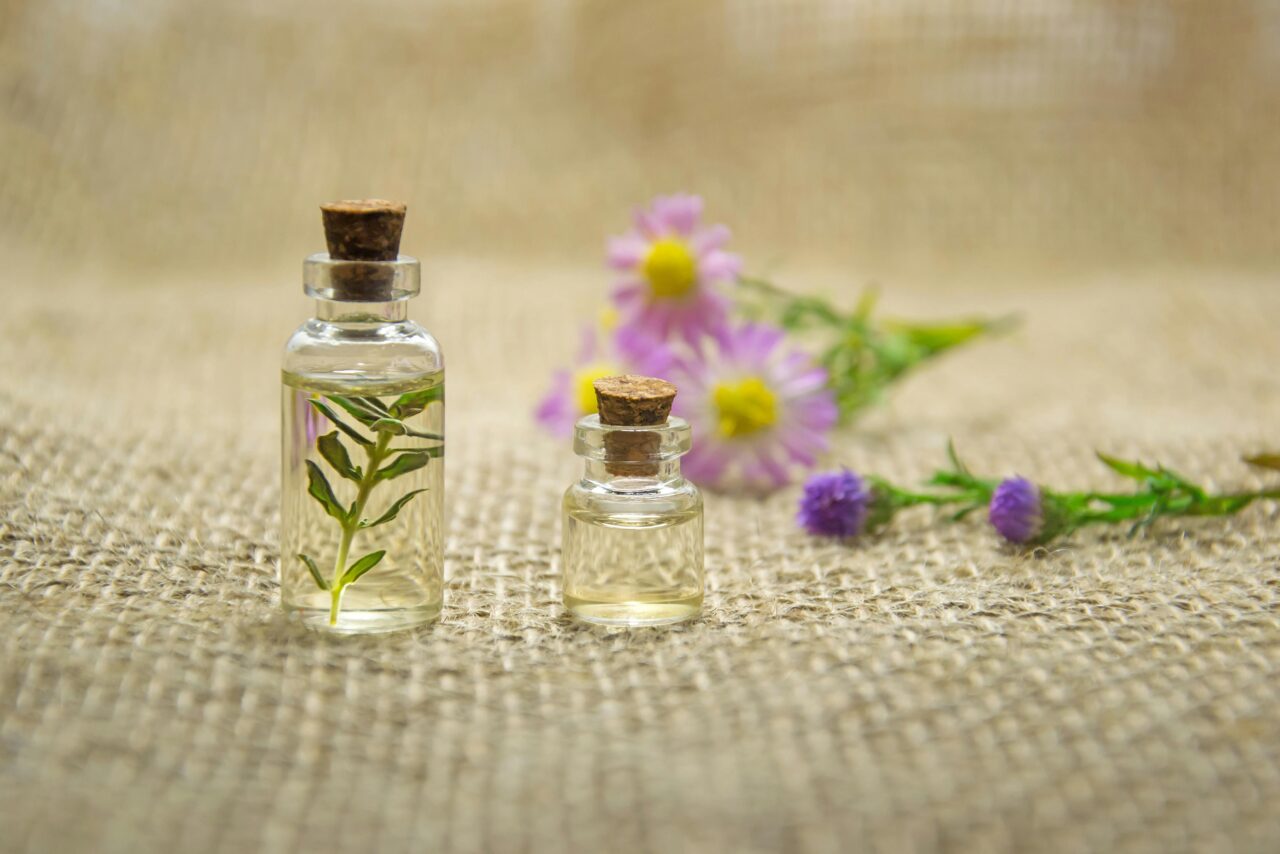
High blood pressure, or hypertension, affects more than a billion people worldwide and is a major risk factor for heart disease, stroke, kidney damage, and other serious health conditions. While conventional treatment options include medications, dietary changes, and regular exercise, many individuals are increasingly turning to complementary therapies to manage their blood pressure naturally. One such popular approach is the use of essential oils—concentrated plant extracts known for their aromatic and therapeutic properties.
But can essential oils genuinely help regulate blood pressure? This article explores the science behind essential oils, how they may influence cardiovascular health, and which oils show the most promise in supporting blood pressure management.
Understanding High Blood Pressure
Blood pressure is the force of blood pushing against the walls of arteries. A typical healthy reading is around 120/80 mmHg. Readings consistently above 130/80 mmHg are considered high and warrant intervention. Causes of hypertension vary but often include:
- Poor diet (especially high in sodium and low in potassium)
- Stress and anxiety
- Obesity
- Lack of physical activity
- Smoking and excessive alcohol use
- Genetic predisposition
Left untreated, high blood pressure can lead to serious complications, but it can often be managed through lifestyle changes and, if necessary, medication.
What Are Essential Oils?
Essential oils are volatile aromatic compounds extracted from various parts of plants—flowers, leaves, bark, or roots. They are typically used in aromatherapy, a holistic healing practice that uses natural plant extracts to promote health and well-being. Essential oils can be inhaled, applied topically (often diluted with carrier oils), or diffused into the air.
Common essential oils include lavender, peppermint, eucalyptus, rosemary, ylang ylang, and frankincense, among many others. Each has its unique properties and therapeutic applications.
The Connection Between Essential Oils and Blood Pressure
While essential oils don’t directly lower blood pressure in the same way pharmaceutical drugs do, they may help regulate it by addressing some of its underlying causes, particularly stress and anxiety, sleep disturbances, and inflammation.
Let’s look at the mechanisms by which essential oils might influence blood pressure:
1. Stress Reduction and Relaxation
Chronic stress is a well-known contributor to hypertension. When the body is under stress, the sympathetic nervous system (the “fight or flight” response) becomes activated, raising heart rate and blood pressure. Essential oils like lavender, ylang ylang, and bergamot have been shown to promote relaxation and reduce cortisol levels, which may help calm the nervous system and support healthier blood pressure levels.
2. Improved Sleep
Poor sleep or insomnia can lead to spikes in blood pressure and increased cardiovascular risk. Essential oils such as chamomile, lavender, and cedarwood can promote deeper, more restful sleep. Better sleep hygiene often correlates with lower blood pressure readings.
3. Anti-Inflammatory Effects
Some essential oils have anti-inflammatory properties, which may indirectly support cardiovascular health. Chronic inflammation is believed to play a role in the development and progression of hypertension.
4. Vasodilation and Circulation
Certain essential oils can promote vasodilation—the widening of blood vessels—which may help reduce vascular resistance and lower blood pressure. Oils like ylang ylang and clary sage are believed to have mild hypotensive effects.
Scientific Evidence: What the Research Says
While essential oils have long been used in traditional medicine, modern scientific research is still catching up. However, some promising studies suggest that aromatherapy may indeed have a role in managing blood pressure:
- Lavender Oil: A 2012 study published in Evidence-Based Complementary and Alternative Medicine found that inhaling lavender essential oil significantly reduced blood pressure and heart rate in individuals with hypertension. Participants also reported feeling more relaxed and less anxious.
- Ylang Ylang Oil: A 2013 Korean study showed that a blend of ylang ylang, lavender, marjoram, and neroli oils, when inhaled for 10 minutes twice daily over four weeks, led to a significant reduction in both systolic and diastolic blood pressure among pre-hypertensive and hypertensive individuals.
- Bergamot Oil: Inhalation of bergamot essential oil has been linked to reduced anxiety and stress levels, and some studies have noted small reductions in blood pressure and pulse after exposure.
While these findings are encouraging, it’s important to note that many of these studies are small, and more robust clinical trials are needed to confirm long-term efficacy and safety.
Essential Oils Commonly Used for Blood Pressure Support
Here are some of the most popular essential oils believed to aid in blood pressure regulation, along with their primary benefits:
- Lavender (Lavandula angustifolia)
- Promotes relaxation
- Reduces anxiety and stress
- May mildly lower blood pressure
- Ylang Ylang (Cananga odorata)
- Sedative effects on the nervous system
- May reduce heart rate and blood pressure
- Bergamot (Citrus bergamia)
- Uplifting yet calming
- Shown to reduce stress-induced hypertension
- Marjoram (Origanum majorana)
- May aid circulation and reduce tension
- Traditionally used for calming cardiovascular strain
- Clary Sage (Salvia sclarea)
- Reduces cortisol
- Promotes vasodilation and lowers stress responses
- Frankincense (Boswellia carterii)
- Anti-inflammatory
- Supports emotional balance and respiratory health
- Neroli (Citrus aurantium)
- Eases anxiety
- May help regulate heart rate and blood pressure
How to Use Essential Oils for Blood Pressure Support
1. Aromatherapy Diffusion
Using a diffuser is a simple and effective way to enjoy the benefits of essential oils. Add 5–10 drops of your chosen oil to a diffuser filled with water and allow it to fill the room with calming aroma.
2. Inhalation
Place a few drops on a tissue or cotton ball and inhale deeply. Alternatively, add oils to a bowl of hot water and inhale the steam for 5–10 minutes.
3. Topical Application
Essential oils can be applied to the skin when diluted with a carrier oil (such as coconut or jojoba oil). Common application areas include the chest, neck, wrists, and soles of the feet. Always perform a patch test to check for sensitivity.
4. Baths
Add several drops of essential oil to a warm bath, along with Epsom salts, to enhance relaxation and reduce physical tension.
Safety Considerations
While essential oils are natural, they are also potent and must be used responsibly. Here are some safety tips:
- Always dilute essential oils before applying to the skin.
- Avoid ingestion unless under the supervision of a qualified healthcare provider.
- Pregnant or nursing individuals, as well as those with epilepsy, asthma, or allergies, should consult a physician before using essential oils.
- Keep essential oils out of reach of children and pets.
- Choose high-quality, therapeutic-grade oils from reputable sources.
Essential oils offer a gentle, natural complement to traditional methods of managing high blood pressure. By promoting relaxation, reducing stress and anxiety, improving sleep, and potentially enhancing circulation, they may contribute to better cardiovascular health when used as part of a holistic approach.
However, essential oils should not be used as a substitute for prescribed antihypertensive medications or lifestyle changes recommended by a doctor. They are best viewed as supportive tools—aromatic allies in the broader journey toward wellness and balance.
As always, if you’re considering incorporating essential oils into your routine for blood pressure support, consult with a qualified healthcare provider to ensure it’s appropriate for your unique health situation. When used correctly, essential oils can enhance your physical and emotional well-being—and perhaps even help keep your heart a little healthier.