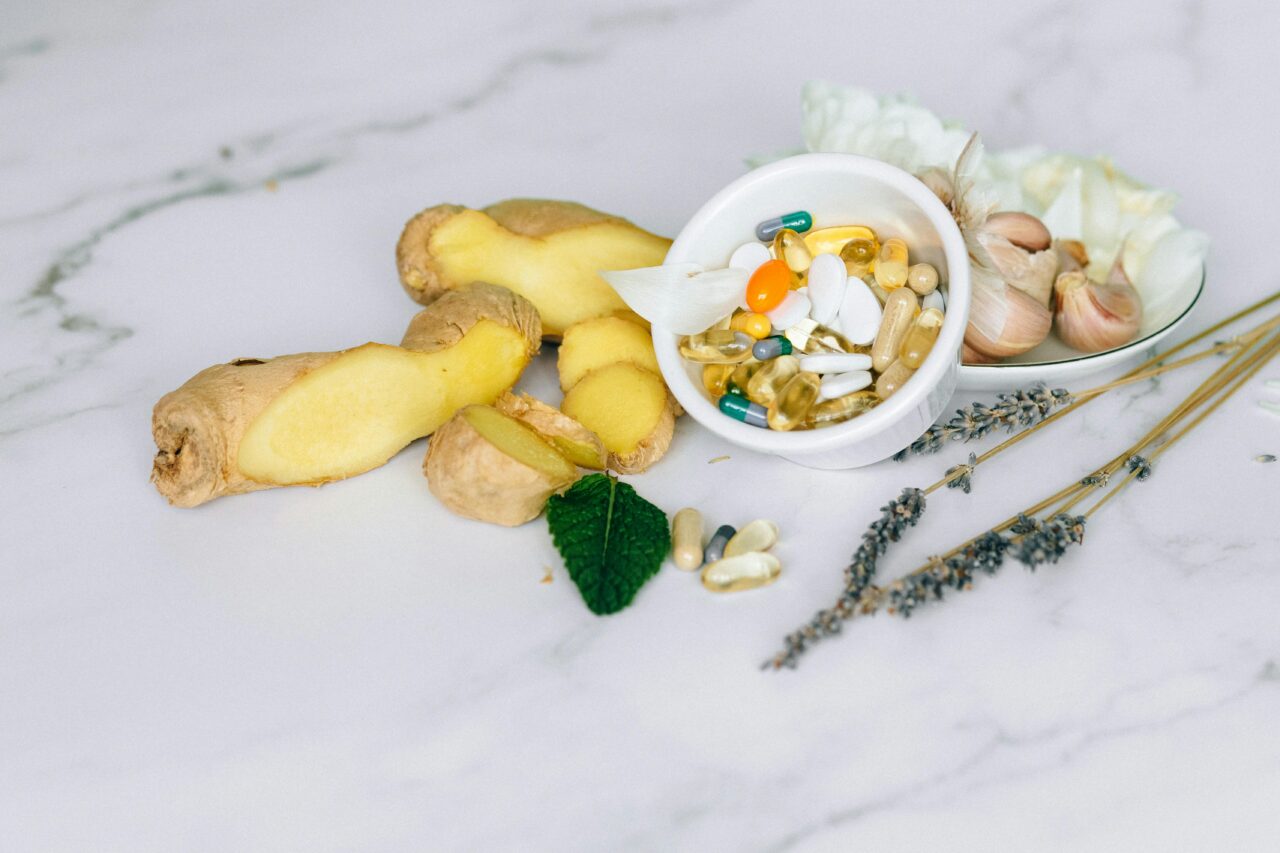
High blood pressure, also known as hypertension, affects nearly one in three adults globally and is a leading risk factor for heart disease, stroke, and kidney failure. While medication is often necessary to manage hypertension, many people seek complementary solutions to support their health naturally. Herbal supplements, when used wisely and under professional supervision, can provide additional support for those looking to lower or stabilize their blood pressure.
This article explores some of the most researched and widely used herbal supplements that may help lower blood pressure, including their benefits, how they work, and important safety considerations.
1. Garlic (Allium sativum)
How it works:
Garlic contains allicin, a sulfur compound that has been shown to relax blood vessels and improve blood flow, which can help reduce blood pressure. Garlic also has antioxidant and anti-inflammatory properties that support cardiovascular health.
Scientific support:
A meta-analysis of clinical trials has found that garlic supplementation can significantly reduce both systolic and diastolic blood pressure, especially in individuals with hypertension.
How to use it:
Garlic can be consumed raw, cooked, or as a supplement. A common dosage is 600 to 1,200 mg of aged garlic extract per day.
Caution:
Garlic may thin the blood and interact with blood-thinning medications. Consult your doctor before use.
2. Hibiscus (Hibiscus sabdariffa)
How it works:
Hibiscus tea is rich in antioxidants like anthocyanins and has diuretic effects, which help the body eliminate excess sodium and reduce blood volume—both important for managing blood pressure.
Scientific support:
Several studies have shown that drinking hibiscus tea can lower systolic blood pressure by up to 10 points in people with mild to moderate hypertension.
How to use it:
Drinking 2 to 3 cups of hibiscus tea daily may be effective. Supplements are also available.
Caution:
Hibiscus can interact with certain medications and may lower blood pressure too much when combined with antihypertensive drugs.
3. Hawthorn (Crataegus spp.)
How it works:
Hawthorn has been used traditionally to treat heart-related conditions. It contains flavonoids that improve blood vessel function, increase blood flow, and reduce arterial stiffness.
Scientific support:
Some studies suggest hawthorn extract may help lower blood pressure, particularly when taken consistently over several weeks. It also supports heart rate regulation and circulation.
How to use it:
Standard doses range from 160 to 900 mg of hawthorn extract per day, typically taken in divided doses.
Caution:
Hawthorn may interact with heart medications such as beta-blockers or calcium channel blockers.
4. Olive Leaf Extract (Olea europaea)
How it works:
Olive leaf extract contains oleuropein, a polyphenol that has vasodilating and anti-inflammatory properties. It may help widen blood vessels and reduce arterial stiffness.
Scientific support:
Research has shown olive leaf extract may reduce both systolic and diastolic blood pressure, with results comparable to low-dose antihypertensive medications in some cases.
How to use it:
Typical dosages are 500 to 1,000 mg per day, divided into two doses.
Caution:
May lower blood sugar levels—monitor if you have diabetes or take glucose-lowering medications.
5. Flaxseed (Linum usitatissimum)
How it works:
Flaxseed is high in alpha-linolenic acid (ALA), an omega-3 fatty acid, and lignans—both of which have anti-inflammatory and antioxidant effects that support vascular health.
Scientific support:
A study published in Hypertension found that daily consumption of 30 grams of ground flaxseed significantly reduced both systolic and diastolic blood pressure in hypertensive patients.
How to use it:
Consume 1 to 2 tablespoons of ground flaxseed daily, mixed into smoothies, oatmeal, or yogurt. Flaxseed oil is another option, but it lacks fiber and lignans.
Caution:
Flaxseed should be ground for full benefit and may interfere with some medications due to its fiber content.
6. Celery Seed (Apium graveolens)
How it works:
Celery seed contains compounds like 3-n-butylphthalide (3nB), which are believed to help relax artery walls, increase blood flow, and reduce inflammation.
Scientific support:
Preliminary research suggests celery seed extract may lower blood pressure, particularly in individuals with mild hypertension.
How to use it:
Common dosage is 1,000 to 1,500 mg of celery seed extract daily.
Caution:
May increase sensitivity to sunlight and interact with medications. Avoid during pregnancy.
7. Rauwolfia (Rauvolfia serpentina)
How it works:
This traditional Ayurvedic herb contains reserpine, an alkaloid that can lower blood pressure by depleting norepinephrine, a hormone that tightens blood vessels.
Scientific support:
Rauwolfia has been used in mainstream medicine in the past, but due to its potency and side effects, it’s used less commonly today. Still, it is effective for significantly reducing blood pressure.
How to use it:
Only under the guidance of a qualified healthcare provider, as this herb can have strong effects.
Caution:
Potential side effects include depression, nasal congestion, and gastrointestinal distress. Should not be taken without supervision.
8. Cat’s Claw (Uncaria tomentosa)
How it works:
Used in traditional Chinese and South American medicine, Cat’s Claw is believed to reduce blood pressure by acting on calcium channels in the blood vessels.
Scientific support:
Animal studies and some human trials suggest it may lower blood pressure, though more research is needed.
How to use it:
Typical dose is 250–1,000 mg of extract daily.
Caution:
Avoid if you are pregnant or take blood pressure or immune-modulating drugs.
Safety and Considerations
While herbal supplements can be beneficial, they are not a substitute for prescribed medications or medical advice. Here are some key safety tips:
- Talk to your doctor before starting any supplement, especially if you take medications or have underlying conditions.
- Use high-quality products from reputable brands to ensure safety and potency.
- Start with small doses to monitor how your body reacts.
- Monitor your blood pressure regularly to track changes.
Herbal supplements like garlic, hibiscus, olive leaf, and flaxseed may offer natural ways to support healthy blood pressure when used correctly. Combined with lifestyle changes such as a balanced diet, regular exercise, and stress management, these natural remedies can complement your overall approach to managing hypertension.
However, it’s essential to work closely with a healthcare provider to determine what’s safe and effective for your unique needs. Herbs are powerful, and when used responsibly, they can be part of a holistic strategy for long-term heart health.
Generated by ChatGPT