
Hypertension, commonly known as high blood pressure, is a silent but serious health condition that can lead to heart disease, stroke, kidney failure, and other life-threatening complications. Because high blood pressure often has no noticeable symptoms, regular screenings are essential for early detection and effective management.
If you have never had a hypertension screening or are unsure what to expect, this article will guide you through the process. Understanding how screenings work, why they are important, and what the results mean can help you take proactive steps toward better heart health.
Why Hypertension Screening is Important
Hypertension affects nearly half of adults in the United States, according to the Centers for Disease Control and Prevention (CDC). Many people are unaware they have high blood pressure until they experience severe complications. Regular screenings help:
- Detect high blood pressure early before it leads to serious health issues.
- Monitor changes in blood pressure over time to assess risk levels.
- Identify lifestyle changes or treatments needed to keep blood pressure in a healthy range.
- Prevent long-term complications such as heart attacks, strokes, and kidney disease.
Since high blood pressure can develop at any age, screenings are recommended for adults at least once a year or more frequently if you have risk factors like obesity, diabetes, or a family history of hypertension.
Where Can You Get a Hypertension Screening?
Hypertension screenings are quick, simple, and available at various locations, including:
- Doctor’s offices and clinics
- Pharmacies (many offer free or low-cost blood pressure checks)
- Community health centers
- Workplace health programs
- Self-monitoring at home (using a home blood pressure monitor)
If your screening is done at a medical facility, your healthcare provider will not only check your blood pressure but also discuss your overall health and risk factors.
Step-by-Step Process of a Hypertension Screening
A hypertension screening typically takes just a few minutes and involves a straightforward process. Here’s what you can expect:
1. Initial Consultation & Medical History Review
Before checking your blood pressure, your healthcare provider may ask about:
- Your personal and family history of high blood pressure, heart disease, or related conditions.
- Any symptoms you may be experiencing, such as headaches, dizziness, or shortness of breath.
- Your lifestyle habits, including diet, exercise, alcohol consumption, smoking, and stress levels.
- Any medications you are currently taking, including over-the-counter drugs and supplements.
Providing accurate information helps your doctor determine potential risk factors and recommend appropriate lifestyle changes or treatments.
2. Blood Pressure Measurement
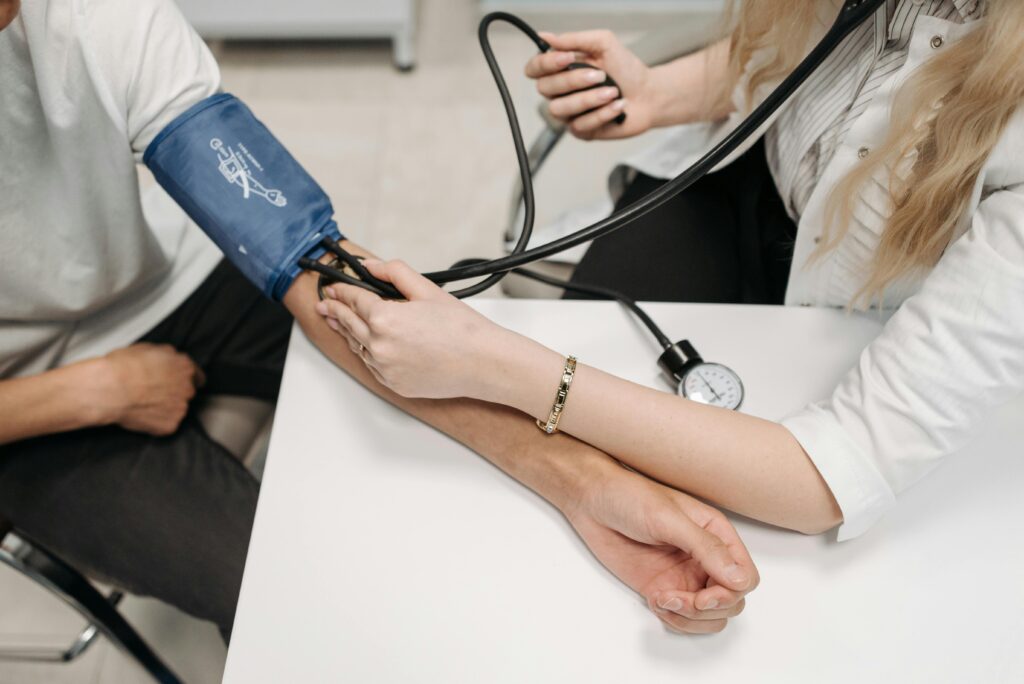
The most crucial part of a hypertension screening is measuring your blood pressure. This is done using a sphygmomanometer, which consists of an inflatable cuff and a pressure gauge.
How the Measurement Works:
- You will be asked to sit comfortably in a chair with your feet flat on the floor and your arm resting at heart level.
- A blood pressure cuff will be placed around your upper arm and inflated. You may feel some tightness as the cuff squeezes your arm.
- The healthcare provider will listen to your blood flow using a stethoscope (for manual readings) or rely on a digital monitor for an automatic reading.
- The cuff will slowly deflate, and the machine or provider will record your systolic and diastolic blood pressure numbers.
Understanding Your Blood Pressure Reading
Your blood pressure is recorded as two numbers (e.g., 120/80 mmHg):
- Systolic Pressure (Top Number): The pressure when your heart beats.
- Diastolic Pressure (Bottom Number): The pressure when your heart rests between beats.
3. Blood Pressure Categories and What They Mean
| Blood Pressure Category | Systolic (Top) | Diastolic (Bottom) |
|---|---|---|
| Normal | Less than 120 | Less than 80 |
| Elevated | 120-129 | Less than 80 |
| Hypertension Stage 1 | 130-139 | 80-89 |
| Hypertension Stage 2 | 140 or higher | 90 or higher |
| Hypertensive Crisis (Emergency) | Higher than 180 | Higher than 120 |
If your blood pressure is elevated or high, your provider may recommend additional monitoring before confirming a hypertension diagnosis.
4. Additional Tests (If Necessary)
If your blood pressure is consistently high, your healthcare provider may perform additional tests to assess overall cardiovascular health. These may include:
- Blood tests (to check cholesterol, blood sugar, and kidney function)
- Electrocardiogram (ECG or EKG) (to check heart function)
- Urine tests (to detect signs of kidney disease or other health issues)
- Ambulatory Blood Pressure Monitoring (ABPM): A 24-hour test where a device records your blood pressure throughout the day and night.
These tests help determine if your high blood pressure is due to an underlying condition or lifestyle factors.
What Happens After the Screening?
If Your Blood Pressure is Normal:
- You’ll be advised to continue healthy habits such as regular exercise, a balanced diet, and stress management.
- Routine screenings will still be recommended annually or as needed.
If Your Blood Pressure is Elevated or High:
- Your provider may recommend lifestyle changes, including reducing salt intake, increasing physical activity, and managing stress.
- If lifestyle changes aren’t enough, medications may be prescribed to help lower blood pressure.
- More frequent monitoring may be needed to track improvements or worsening conditions.
If Your Blood Pressure is Critically High:
- You may need immediate medical intervention, especially if you experience severe symptoms like chest pain, vision problems, or difficulty breathing.
- Hospitalization may be required in extreme cases of hypertensive crisis.
Tips for an Accurate Blood Pressure Reading
To ensure your blood pressure reading is as accurate as possible:
✅ Avoid caffeine, alcohol, and smoking at least 30 minutes before the screening.
✅ Sit quietly for 5 minutes before the test.
✅ Wear loose clothing so the cuff fits properly.
✅ Use the bathroom beforehand (a full bladder can raise blood pressure).
✅ Avoid talking during the measurement.
✅ Have multiple readings taken (one high reading does not always mean hypertension).
A hypertension screening is a simple yet essential part of maintaining heart health. Whether done at a doctor’s office, pharmacy, or home, regular blood pressure checks can help detect and manage high blood pressure before it leads to serious health issues.
By understanding what happens during a screening, what the results mean, and how to improve blood pressure naturally, you can take proactive steps to protect your long-term health. If you haven’t had a screening recently, schedule one today—your heart will thank you!